Uncovering insights on hobbies: trends and creative passions
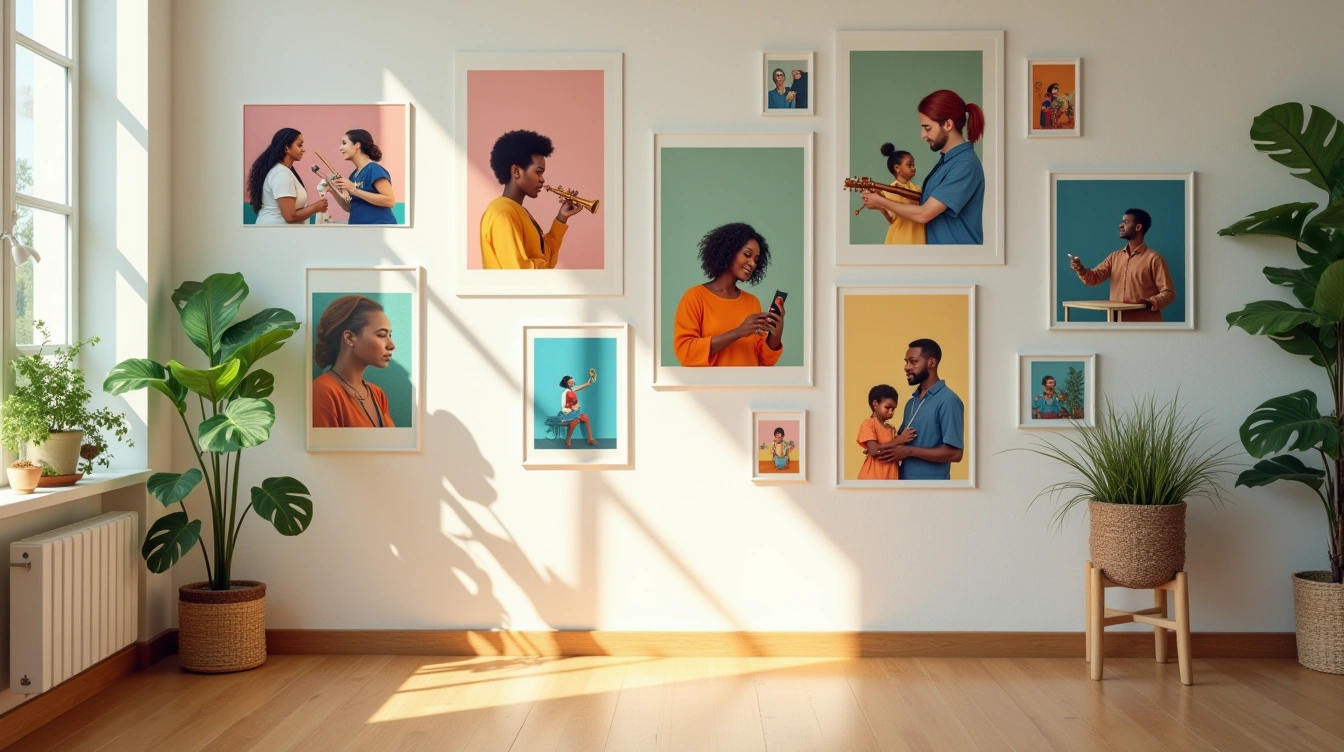
The global hobby market reached $44.85 billion, according to Grand View Research, reflecting our growing investment in personal creativity and wellbeing. Beyond entertainment, hobbies serve as powerful stress relievers, skill builders, and social connectors that shape who we are. What patterns emerge when we analyze how people spend their creative time, and what do these choices reveal about modern society?
How creative pastimes have evolved over the past decade ?
The landscape of creative hobbies has undergone a dramatic transformation since 2015, fundamentally reshaped by digital platforms and changing lifestyle priorities. Traditional crafts like scrapbooking and model building have given way to digital art creation, content production, and hybrid activities that blend physical and virtual elements.
Avez-vous vu cela : Transforming hatchery operations: explore innovative solutions
Social media platforms have become the primary catalyst for this evolution. Instagram and TikTok have elevated previously niche activities like resin art, embroidery, and pottery into mainstream phenomena. The visual nature of these platforms has made traditionally solitary hobbies into community experiences, where creators share techniques, showcase progress, and build audiences around their craft.
The pandemic accelerated trends that were already emerging. Bread baking, plant cultivation, and home organization evolved from practical necessities into creative outlets with dedicated online communities. Meanwhile, digital hobbies like podcast creation, video editing, and online gaming design have gained legitimacy as serious creative pursuits rather than mere entertainment.
Cela peut vous intéresser : What’s the Potential of Wearable Fitness Trackers for UK’s Health Sector?
This shift reflects a broader change in how people define creativity itself. Modern hobbyists increasingly seek activities that offer both personal fulfillment and potential monetization opportunities, blurring the lines between passion projects and side businesses in today's creator economy. Furthermore, Explore hobby insights to discover the fascinating data behind our favorite pastimes.
Today's most popular creative activities across different demographics
The creative landscape has evolved dramatically, with digital arts now dominating among younger demographics while traditional crafts maintain strong appeal across older generations. Recent studies show distinct patterns emerging across age groups, gender lines, and geographic regions.
Generation Z (18-26) gravitates toward screen-based creativity, with content creation, digital illustration, and music production leading their preferences. Millennials (27-42) balance digital and traditional approaches, favoring photography, cooking, and DIY home projects that blend creativity with practicality.
- Ages 18-26: Content creation (65%), digital art (52%), music production (38%)
- Ages 27-42: Photography (58%), cooking (64%), home crafting (41%)
- Ages 43-58: Gardening (67%), painting (49%), woodworking (32%)
- Ages 59+: Knitting/sewing (71%), reading/writing (63%), pottery (28%)
Gender differences reveal women preferring textile arts and cooking, while men lean toward woodworking and music production. Geographically, urban areas show higher digital engagement, while rural communities maintain stronger connections to traditional crafts and outdoor creative activities.
Mental health benefits: how these activities impact wellbeing
Creative activities trigger measurable changes in brain chemistry, releasing endorphins and dopamine that naturally combat stress and anxiety. Research from the American Journal of Public Health shows that just 45 minutes of artistic expression can significantly reduce cortisol levels, the primary stress hormone responsible for mental fatigue and tension.
The repetitive, mindful nature of crafting activities creates what psychologists call "flow state" – a meditative condition where worries fade and focus sharpens. Whether you're knitting, painting, or woodworking, these activities engage both hemispheres of the brain simultaneously, promoting neural plasticity and improving cognitive function over time.
Beyond individual benefits, creative hobbies build powerful social connections. Community workshops, online forums, and maker spaces provide natural environments for meaningful interactions. These shared experiences counter isolation and create support networks, particularly valuable for remote workers and retirees seeking purposeful engagement.
Perhaps most importantly, completing creative projects builds genuine self-efficacy – the confidence that comes from tangible achievement. Unlike passive entertainment, hands-on hobbies provide concrete evidence of personal capability, fostering resilience and emotional stability that extends far beyond the craft room.
Emerging trends shaping the future of recreational pursuits
The landscape of recreational activities is evolving rapidly, driven by technological innovation and growing environmental consciousness. Sustainable hobbies are gaining significant traction as people seek meaningful ways to reduce their ecological footprint while pursuing their passions.
Urban gardening, upcycling crafts, and zero-waste cooking have emerged as popular eco-friendly pursuits. These activities offer the dual benefit of personal satisfaction and environmental responsibility. Meanwhile, repair cafes and tool-sharing communities are transforming how we approach DIY projects and skill-sharing.
The integration of digital and physical experiences represents another major shift. Hybrid activities like augmented reality treasure hunts, fitness apps with real-world challenges, and virtual cooking classes with physical ingredients are blurring traditional boundaries. This convergence creates more immersive and socially connected experiences.
Artificial intelligence is beginning to personalize hobby recommendations and learning paths. AI-powered platforms analyze individual preferences and skill levels to suggest optimal progression routes. Looking ahead, we can expect continued growth in wellness-focused activities, intergenerational hobby sharing, and technology-enhanced traditional crafts that preserve cultural heritage while embracing modern tools.
Your questions about hobby insights answered
What do people's hobbies say about their personality?
Hobbies reveal core personality traits and values. Creative pursuits often indicate openness to new experiences, while team sports suggest extroversion and collaboration skills. Solo activities like reading reflect introspective tendencies and intellectual curiosity.
How have hobby trends changed in the last decade?
Digital integration has transformed traditional hobbies. Photography shifted to smartphone editing, crafting embraced online tutorials, and gaming became increasingly social. Sustainability consciousness also drives eco-friendly hobby choices and upcycling projects across all demographics.
What are the most popular creative hobbies right now?
Digital art creation, urban gardening, and DIY home improvement lead current trends. Content creation through blogging, podcasting, and video editing has become mainstream. Traditional crafts like pottery and knitting are experiencing renewed popularity among younger generations.
How do hobbies impact mental health and wellbeing?
Regular hobby engagement reduces stress by 68% according to recent studies. Flow states achieved during focused activities lower cortisol levels and improve mood. Social hobbies combat isolation while creative pursuits boost self-esteem and cognitive function significantly.
What hobby trends are emerging among different age groups?
Gen Z favors skill-sharing platforms and sustainable crafting. Millennials embrace fitness challenges and cooking experimentation. Gen X focuses on home renovation projects, while Baby Boomers increasingly adopt technology-enhanced traditional hobbies like digital genealogy and online book clubs.